Skip to content

Cyber Security Online Store

Hire a Hacker for Social Media Hacking: Legal Recovery Guide

  • by
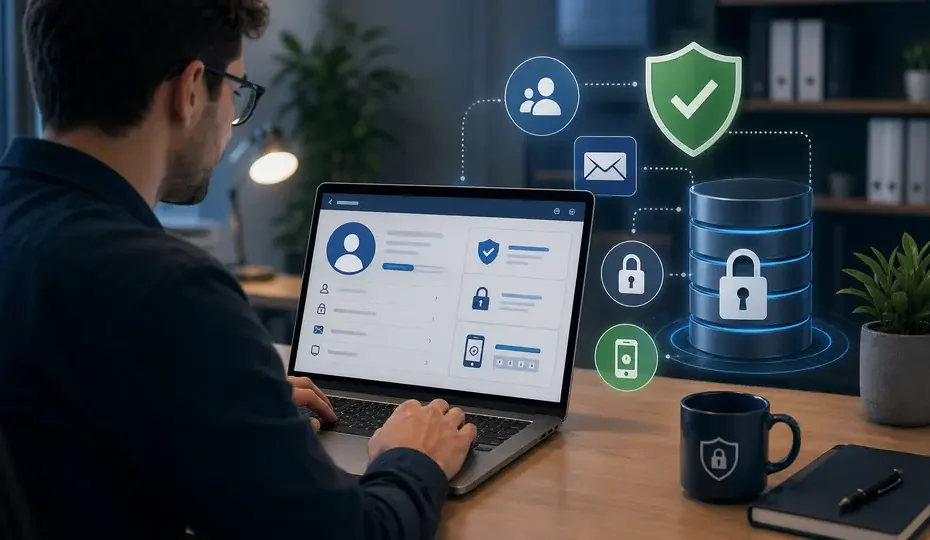
Ethical social media account recovery and security review dashboard

If you searched for hire a hacker for social media hacking, you are probably worried about a locked account, impersonation, stolen business page, hacked Instagram, suspicious Facebook activity, or a scammer using your profile. That is a serious problem, but it is also a search topic filled with fake recovery agents, illegal access offers, and people who promise results they cannot safely deliver.

This guide explains the legal way to get help with social media security. You will learn what ethical support can include, what is off-limits, which recovery steps to try first, how to vet a provider, and how to protect accounts after recovery. The goal is not secret access. The goal is authorized account recovery, security review, and safer ownership protection.

Quick answer: Legal social media hacking help should only involve accounts you own, manage, or have written permission to recover or secure. Avoid anyone offering to spy, steal passwords, break into another person’s account, or bypass platform protections.

What Bing search results show for this keyword

Search intent around this keyword is mixed. Some users want to recover hacked social accounts. Some want to secure business pages. Others are looking for unauthorized access, which is not legal or ethical. The pages that are more likely to earn long-term visibility are the ones that answer the real recovery problem, explain legal boundaries, and point users toward official platform steps.

That is why this page is written as a safe account recovery and social media security guide. It uses the phrase people search for, but it does not teach account takeover. Search engines are increasingly careful with cybersecurity topics, especially pages that appear to offer unlawful services. A stronger page should show expertise, clear limits, practical recovery steps, scam warnings, and trustworthy sources.

Ethical social media account recovery and security review dashboard
Authorized recovery should focus on ownership, platform recovery paths, and account security settings.

What ethical social media hacking can include

Ethical social media help is not about breaking into accounts. It is about authorized recovery, security hardening, incident response, and business access cleanup. A legitimate provider should ask whether you own the account, manage the page, represent the business, or have written permission from the account owner.

Valid support may include:

  • Account recovery guidance: Organizing evidence and helping you use official recovery paths correctly.
  • Business page recovery: Reviewing admin roles, compromised staff accounts, ad accounts, and connected assets.
  • Security review: Checking login alerts, devices, sessions, recovery emails, phone numbers, and two-factor settings.
  • Scam response: Documenting impersonation, fake support agents, phishing links, or fraudulent posts.
  • Device and email cleanup: Securing the email, phone, or browser that may have caused the compromise.
  • Prevention planning: Building policies for passwords, MFA, admins, access removal, and backup contacts.

If your issue is account recovery across any platform, read our guide to safe account recovery help. If your concern is phone-related, see signs your phone is hacked.

What is illegal or unsafe

Before you hire a hacker for social media hacking, be clear about what a legitimate provider should refuse. Accessing someone else’s account without permission is not ethical hacking. It can violate privacy laws, computer crime laws, platform rules, and harassment policies.

A provider should not offer to:

  • Read private messages from another person’s Instagram, Facebook, TikTok, X, Snapchat, or WhatsApp.
  • Steal passwords, session cookies, backup codes, or one-time login codes.
  • Bypass two-factor authentication on an account you do not own.
  • Take over a competitor’s account, page, or ad account.
  • Spy on a partner, employee, customer, or private group.
  • Sell hacked accounts or recovery codes.
  • Use phishing pages, malware, fake login forms, or social engineering against another person.

If someone advertises these services, they are not offering ethical security help. They may also be setting you up for blackmail, fraud, or identity theft.

Official recovery steps to try first

Most platforms want users to recover accounts through official support flows. These systems check account ownership signals such as trusted devices, recovery email, phone number, identity verification, payment history, business documents, and previous login behavior.

Start with these steps before paying anyone:

  1. Secure your email first. Your email often controls password resets for every social platform.
  2. Change passwords from a clean device. Use unique passwords that are not reused anywhere else.
  3. Review login alerts. Save suspicious emails, dates, IP/location clues, and account-change notices.
  4. Use official recovery pages. Start with Facebook, Instagram, TikTok, X, Snapchat, LinkedIn, or platform-specific recovery.
  5. Check connected accounts. Review ad accounts, business managers, third-party apps, shopping tools, and page admins.
  6. Warn followers if needed. If scams were posted or messages were sent, tell people not to trust suspicious links or payment requests.
  7. Document everything. Keep screenshots and timestamps for platform appeals, banks, employers, or law enforcement.

Useful official starting points include Meta’s hacked account guidance, Instagram account recovery support, and the FTC guide to recovering hacked email or social media accounts. Official recovery is usually safer than trusting a stranger who promises instant access.

How to vet a legitimate provider

If official recovery does not work and the account is important, you may need outside help. This is where careful vetting matters. The right provider should treat the situation like a security case, not a magic trick.

Use this checklist:

  • Authorization: They verify that you own, manage, or are allowed to recover the account.
  • Written scope: They explain what they will review, which platforms are involved, and what is off-limits.
  • No password collection: They do not ask for passwords, one-time codes, seed phrases, or backup codes through chat.
  • Transparent pricing: They avoid guaranteed recovery claims, hidden fees, gift cards, or pressure tactics.
  • Business identity: They provide a traceable website, invoice process, terms, and support channel.
  • Privacy handling: They explain how screenshots, IDs, logs, and account data will be stored and deleted.
  • Legal refusal: They refuse spying, stalking, blackmail, competitor access, or private-message theft.

For broader provider selection, read our legal guide to hiring ethical cybersecurity help. If Instagram is the main issue, see Instagram account recovery steps.

Social media recovery scam blocked by digital security firewall
Be careful with recovery scams that promise secret access, guaranteed results, or instant account control.

Scams that target social media recovery victims

People who search for recovery help are often stressed and willing to pay quickly. Scammers know this. They may use fake reviews, copied screenshots, stolen profile photos, or claims that they work with Meta, Instagram, TikTok, or another platform. Some take payment and disappear. Others use the recovery conversation to steal more accounts.

Watch for these red flags:

  • They guarantee recovery before reviewing the case.
  • They demand crypto, gift cards, wire transfer, or friends-and-family payments.
  • They ask for login codes, backup codes, passwords, or remote access without a written scope.
  • They claim they can hack any account instantly.
  • They threaten to expose messages or ask for more money after payment.
  • They have no business identity, invoice, privacy policy, or terms.
  • They want you to install unknown apps or browser extensions.

If you already shared a code or password, change passwords from a trusted device, revoke sessions, secure your email, and report the scam. If money was involved, contact your bank or payment provider quickly.

How to protect social media accounts after recovery

Recovery is not complete until the account is hardened. Attackers often add backup emails, connected apps, sessions, admin roles, or payment methods that help them return later. Take time to clean up every related setting.

Use this post-recovery checklist:

  1. Change the password and do not reuse an old one.
  2. Enable two-factor authentication or passkeys where available.
  3. Remove unknown devices, sessions, trusted browsers, and connected apps.
  4. Check recovery email, phone number, backup codes, and login alerts.
  5. Review business page admins, ad account users, and connected commerce tools.
  6. Check messages, posts, comments, ads, and profile changes made during the compromise.
  7. Secure the email account and phone number tied to recovery.
  8. Train team members not to share login codes or click fake support links.

For WhatsApp-specific cases, read our legal WhatsApp recovery guide. For mobile-device risks behind a social media takeover, see legal mobile security help.

Conclusion

The safest way to hire a hacker for social media hacking is to define the job as authorized account recovery and security support. Start with official platform recovery. Secure your email and phone. Document what changed. If the account affects business, money, reputation, or safety, use a vetted professional who verifies ownership and refuses illegal access.

Hacker01 can help review authorized social media recovery and security cases. Use the contact page and include the platform, account type, what changed, whether you control the recovery email or phone number, and what official recovery steps you already tried.

FAQs

Is it legal to hire a hacker for social media hacking?

It is legal only when the work is authorized and limited to an account, page, or business asset you own or manage. It is not legal to access another person’s private social media account without permission.

Can someone recover my hacked Instagram, Facebook, or TikTok account?

Sometimes. Recovery depends on the platform, proof of ownership, trusted devices, recovery email, phone number, business verification, and whether the attacker changed important settings. No honest provider can guarantee every recovery.

What should I do before paying for social media recovery help?

Secure your email, use official platform recovery, collect evidence, check connected apps and sessions, and ask any provider for proof of identity, written scope, pricing, and privacy handling rules.

Leave a Reply

Your email address will not be published. Required fields are marked *