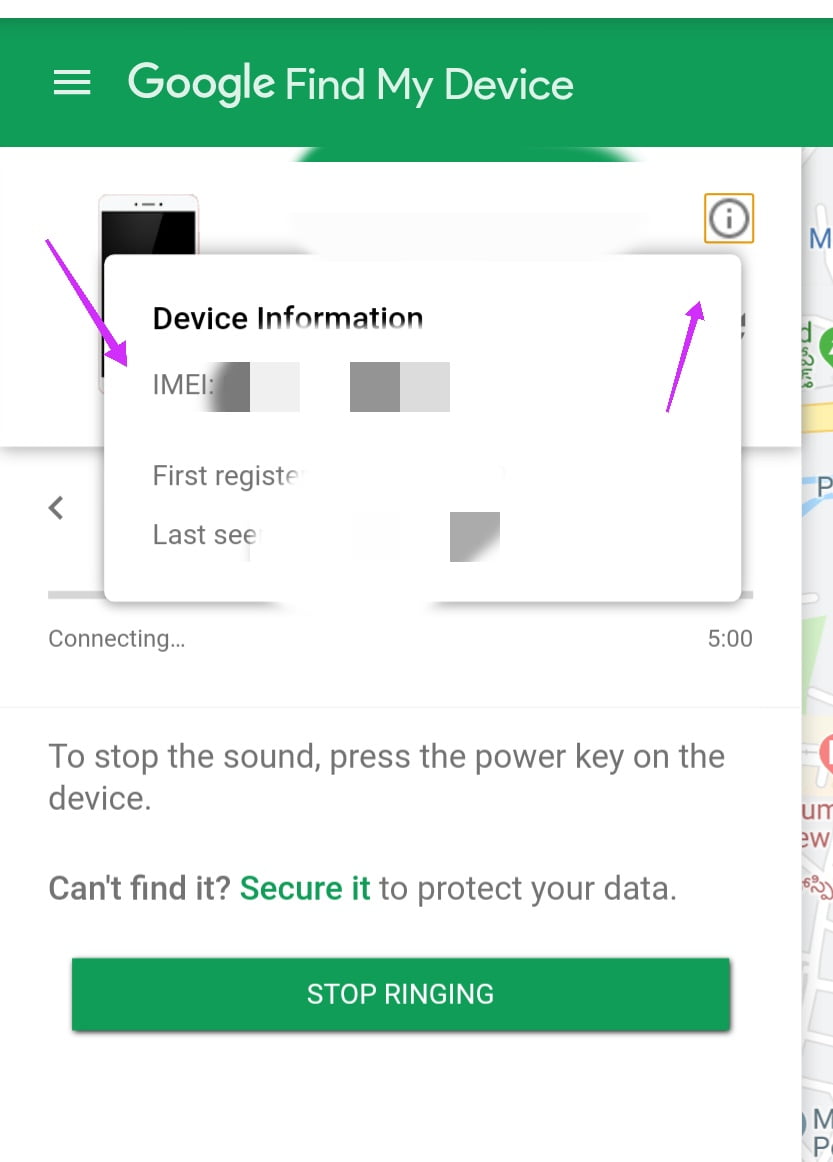
IMEI numbers identify mobile devices on carrier networks, but they are not a magic public tracking tool. If your phone is lost, stolen, or tied to fraud, the legal path is carrier reporting, official Find My tools, account security, and police or insurer documentation where appropriate.
What an IMEI is useful for
- Identifying the device for a carrier, police report, or insurance claim
- Blocking or blacklisting a stolen phone where supported
- Proving which device is tied to a line or account
- Supporting a fraud or theft report
What IMEI cannot safely do
Do not trust websites or sellers claiming they can track any phone by IMEI in real time. These offers are often scams or privacy violations. Tracking a phone that is not yours can create legal risk.
Lost or stolen phone checklist
- Use Apple Find My or Google Find My Device.
- Contact your carrier and report the device lost or stolen.
- Ask about SIM protection, line suspension, and IMEI blocking.
- Change passwords for email, Apple ID, Google Account, banking, and social apps.
- Revoke sessions from a trusted device.
- File a police report if theft, threats, or insurance claims are involved.
- Preserve screenshots and support ticket numbers.
When cybersecurity help fits
If the lost device exposed business accounts, payment apps, cloud storage, or customer data, you may need account recovery and incident response, not IMEI tracking. Start with How to Get a Hacked Account Back or contact Hacker01 for authorized support.
FAQ
Can I track a phone with IMEI myself?
Usually no. IMEI is mainly used by carriers and authorities. Use official lost-device tools and your carrier.
Is IMEI tracking online a scam?
Many IMEI tracking offers are scams. Avoid anyone promising secret real-time tracking of any phone.
What should I do first if my phone was stolen?
Use Find My tools, contact your carrier, secure linked accounts, and preserve records for police or insurance.